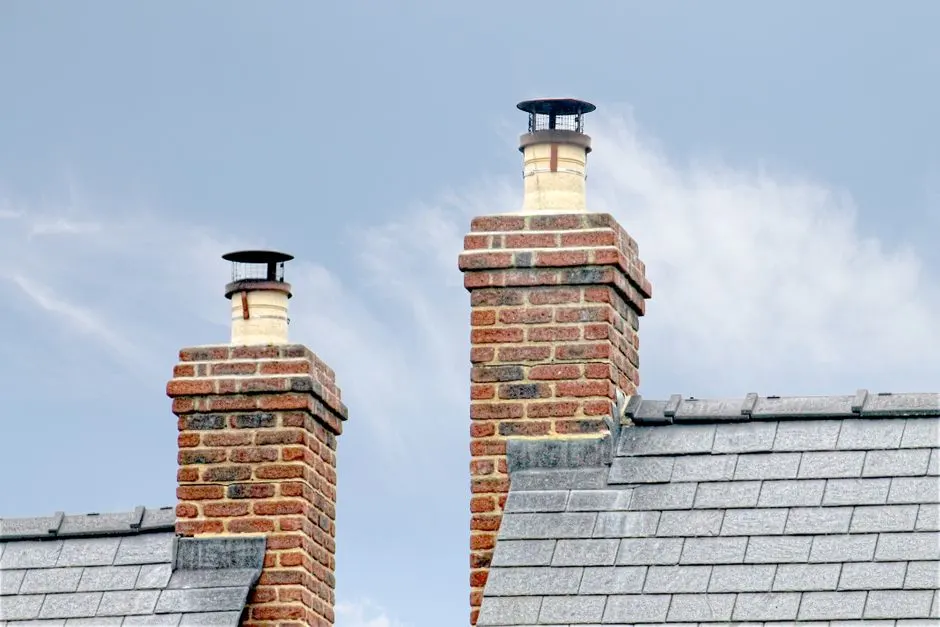
Schedule chimney cleaning in Bridgewater once a year if you burn a few cords of wood or use the fireplace on weekends. If you run a wood stove or insert as your main heat source, you need it twice a year - once before the season starts in October and once mid-winter. That's the whole answer. The rest of this post explains why those numbers hold up in Somerset County, what a sweep actually does, what it costs in 2026, and the warning signs that mean you waited too long.
Chimney cleaning in Bridgewater New Jersey is the mechanical removal of creosote, soot, and debris from the flue, firebox, and smoke chamber, done with brushes and a HEPA vacuum so nothing ends up on your living room floor. It is not the same as an inspection, though we do both on the same visit for most customers.
We run Chimney repair calls across Bridgewater all year, and the pattern is predictable: the homes that get swept every fall are the ones that never call us for a chimney fire.
The short answer: once a year for most Bridgewater homes
One annual cleaning is the baseline for any chimney that sees regular use. The National Fire Protection Association (NFPA 211) says chimneys, fireplaces, and vents shall be inspected at least once a year and cleaned as needed. In practice, "as needed" for a Bridgewater household burning one to three cords of seasoned hardwood lands on one sweep per heating season.
Three situations push you to twice a year:
- You burn more than three cords between October and April.
- You run a wood stove, insert, or pellet stove as a primary heat source.
- You burn unseasoned or green wood, which deposits creosote faster.
Gas and oil flues are a different animal. A gas fireplace produces almost no creosote, but it does produce water vapor and mild corrosion. We still inspect those annually, and clean them every two to three years unless the liner is showing scale or the appliance is short-cycling.
What changes the schedule: how you actually burn
The single biggest variable is not the chimney - it's the fuel and the burn habit. Wet wood smolders. Smoldering wood at 300 to 400 degrees Fahrenheit deposits far more creosote than a hot, 500-plus degree fire with seasoned wood at 15 to 20 percent moisture content.
A few local realities matter here. Bridgewater has a lot of 1960s through 1980s colonials and split-levels with original masonry chimneys, and many of those flues were built for open fireplaces, not modern inserts. Drop a high-efficiency insert into a 40-year-old flue without a properly sized stainless liner and you get cooler exhaust, more condensation, and faster creosote buildup - sometimes enough to need a mid-season sweep.
Weather plays a role too. Somerset County winters swing hard: a 55-degree day in December followed by a 15-degree night creates the temperature differential that condenses creosote on the flue walls. Homes on the north side of the Raritan, shaded by mature oaks, also run cooler flues and hold more moisture in the masonry.
If your chimney is showing water stains or efflorescence, that's a separate problem - chimney leak repair in Bridgewater, New Jersey handles the flashing and crown issues that let water in, and it's worth fixing before you spend money on cleaning a flue that keeps getting wet.
What a chimney sweep actually does in Bridgewater
A chimney sweep in Bridgewater does five things on a standard visit, and you should expect all five:
- Lays drop cloths and sets up a HEPA vacuum at the firebox to keep the room clean.
- Brushes the flue from the roof or from the firebox, depending on the liner type.
- Removes the creosote, soot, and any bird nests, leaves, or debris from the smoke shelf.
- Cleans the firebox, damper, and smoke chamber.
- Runs a Level 1 or Level 2 inspection and gives you a written report with photos.
That inspection is where the real value sits. A sweep who only brushes the flue and leaves is doing half the job. We check the crown, cap, flashing, mortar joints, damper operation, and liner condition on every visit because those are the components that fail first in this climate.
If the inspection turns up cracked mortar or spalling brick, the fix is usually chimney masonry repair in Bridgewater, New Jersey - tuckpointing the joints and sealing the brick before freeze-thaw cycles widen the damage. Catching it at the annual sweep is far cheaper than rebuilding a chimney in the spring.
Chimney cleaning cost in Bridgewater NJ in 2026
Typical 2026 pricing in this area runs $225 to $375 for a standard single-flue cleaning with a Level 1 inspection. Add $75 to $150 if you want a Level 2 inspection with a camera scan, which is required after any chimney fire, liner replacement, or home sale.
Here's roughly what the work costs around Bridgewater right now:
- Standard sweep and Level 1 inspection: $225-$375
- Level 2 camera inspection: $300-$500
- Creosote removal (heavy, glaze-stage): $400-$900
- Chimney cap replacement: $175-$450
- Crown repair or rebuild: $350-$1,200
- Stainless liner installation: $2,200-$4,800
Two things drive the price up: heavy glaze-stage creosote, which has to be chemically treated and scraped rather than brushed, and access. A steep roof or a chimney boxed in behind a dormer takes longer to set up safely.
If you're searching for affordable chimney cleaning in Bridgewater New Jersey, be skeptical of $99 specials. Those usually cover a quick brush and nothing else - no inspection, no report, no photos. The cheap sweep is the one that misses the cracked crown.
Signs you waited too long
Creosote builds in three stages: soot (fluffy, easy to brush), flake (crumbly), and glaze (hard, shiny, tar-like). Glaze is the dangerous one - it's the fuel for a chimney fire, and it ignites at around 1,100 degrees Fahrenheit.
Watch for these signals:
- A strong, acrid smell from the fireplace even when it's not in use.
- Black or dark brown staining at the top of the firebox.
- Smoke rolling back into the room instead of drafting up.
- A crackling or roaring sound that isn't the fire itself.
- Bits of creosote or soot falling into the firebox.
Any of those means stop burning and get the flue looked at. If you've already had a chimney fire - even a small one you put out yourself - you need a Level 2 inspection before the next burn. Chimney fires crack liners, warp dampers, and damage the smoke chamber in ways you can't see from the hearth.
Common mistakes we see on Bridgewater chimneys
The most expensive mistake is skipping the annual sweep because "we hardly used it this year." Even light use deposits creosote, and a chimney that sits idle all summer collects moisture, nests, and debris that block the flue when you finally light it in October.
Other repeat offenders:
- Burning construction scrap, cardboard, or Christmas trees - these deposit creosote fast and can overfire the flue.
- Closing the damper too early, which smolders the fire and coats the liner.
- Ignoring a missing or rusted cap. An open flue is a rain funnel and a raccoon hotel.
- Painting over spalling brick instead of repointing it. The paint traps moisture and the brick spalls faster.
- Running a wood insert without a properly sized liner. This is the number one cause of premature liner failure we see in this area.
One more: homeowners often wait until the first cold snap to call. By mid-October our schedule in Bridgewater fills two to three weeks out. Book the sweep in September and you'll have the chimney ready before you need it.
When to call a professional
Call a professional if you see glaze-stage creosote, smell smoke in the house when the fireplace is running, or notice any crack in the flue tiles. Those aren't DIY fixes - glaze creosote needs chemical treatment and rotary tools, and cracked tiles need a liner.
At Pro Ripple, we handle the full chain: sweep, inspect, and repair on the same visit where possible. If the flue needs a new liner, we install a UL-listed stainless system sized to your appliance, and we test the draft before we leave. If the crown is crumbling, we rebuild it. If the damper won't seal, we replace it. You get one crew, one report, and no handoffs.
We also see a lot of chimneys that need chimney crown repair in Bridgewater, New Jersey - the crown is the first thing to fail on a masonry chimney, and a cracked crown lets water straight into the flue.
Frequently Asked Questions
How often should I schedule chimney cleaning in Bridgewater NJ?
Once a year for most homes, twice a year if you burn more than three cords or use a wood stove as primary heat. Gas fireplaces can go two to three years between cleanings but still need an annual inspection.
How much does chimney cleaning cost in Bridgewater New Jersey?
Expect $225 to $375 in 2026 for a standard sweep with a Level 1 inspection. A Level 2 camera inspection adds $75 to $150. Heavy glaze creosote removal runs $400 to $900 because it requires chemical treatment and rotary tools.
What does a chimney sweep do in Bridgewater?
A sweep brushes the flue, removes creosote and debris, cleans the firebox and smoke shelf, and inspects the crown, cap, flashing, damper, and liner. You should get a written report with photos of anything that needs repair.
Who offers chimney cleaning near me in Bridgewater NJ?
Pro Ripple serves Bridgewater and the surrounding Somerset County towns, with same-week scheduling most of the year and priority slots in the fall. Call (844) 803-5147 to book a sweep and inspection.
Can I clean my own chimney?
You can brush a lightly soiled flue with the right rods and brush, but you can't safely inspect the liner, crown, or smoke chamber from the ground. Most homeowners call us because the inspection is the part that actually prevents fires.
Get help with Chimney repair in Bridgewater
If it's been more than a year since your last sweep - or you've never had one - book it now, before the fall rush. We'll clean the flue, inspect the whole system, and tell you straight what needs fixing and what can wait.
Call Pro Ripple at (844) 803-5147 to schedule chimney cleaning and inspection in Bridgewater.